
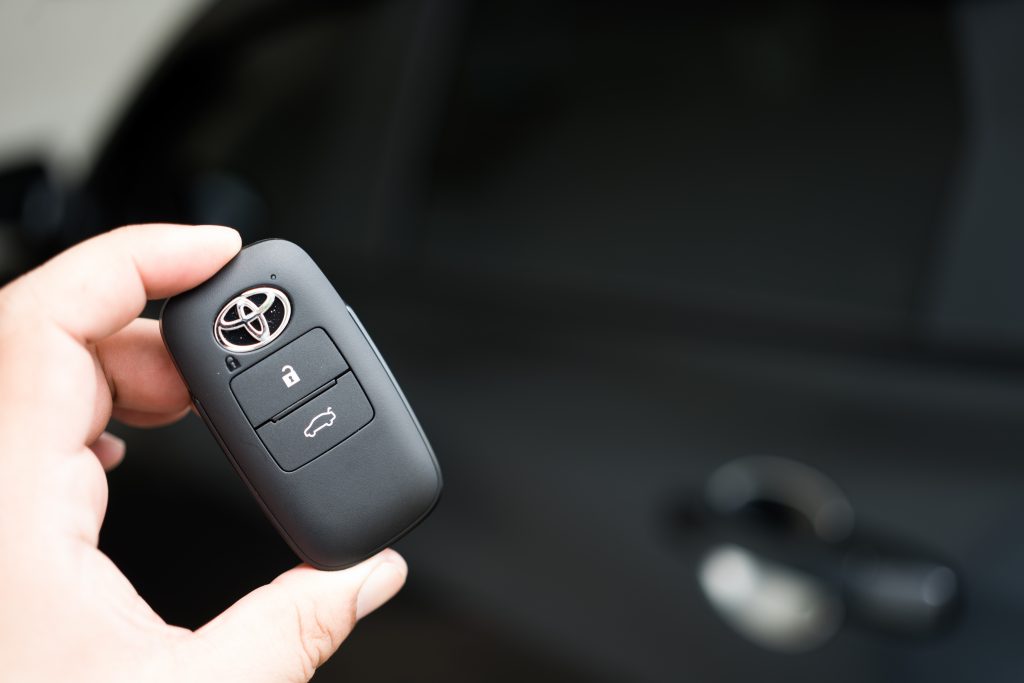
If your car key suddenly stops working, you are not alone. In fact, modern vehicle owners across Canada deal with this frustrating problem every day. Best K Locksmith helps drivers understand why car key communication failure happens and what steps to take when it does. Whether your key fob stopped responding, your push-start ignition ignores your presence, or your transponder key gets rejected, the cause is almost always traceable — and fixable.
What Is Car Key Communication and Why It Matters
Modern car keys are not simple metal blades anymore. Instead, they are sophisticated electronic devices that send and receive signals to your vehicle’s onboard computer. This process is called car key communication, and it happens in milliseconds every time you press a button or approach your car.
Transponder keys contain a microchip that exchanges a unique code with your vehicle’s immobilizer. Similarly, key fobs use radio frequency (RF) signals to lock, unlock, and sometimes start your car remotely. Smart keys, on the other hand, rely on proximity sensors and encrypted rolling codes. When any part of this communication chain breaks down, your car simply does not respond.
Understanding the technology therefore helps you diagnose the problem faster and avoid unnecessary expenses.
The Most Common Reasons Car Key Communication Fails
Dead or Weak Battery
First and foremost, the single most common cause of car key communication failure is a dead battery inside the key fob. Most key fobs use a CR2032 coin battery. These batteries typically last one to three years depending on usage. A weak battery does not always cause complete failure right away — instead, it often causes intermittent issues first. Your key works sometimes and fails other times. As a result, you should replace the battery before assuming the problem is more serious.
Damaged or Worn Key Components
Beyond battery issues, physical damage is another leading cause. Dropping your key repeatedly cracks the internal circuit board. Water exposure corrodes the contacts. Even normal wear degrades the rubber buttons over time, consequently preventing proper signal transmission. Inspect your key closely. If the casing is cracked or buttons feel mushy, internal damage is likely present.
Signal Interference
In addition to physical damage, radio frequency interference disrupts car key communication more often than most people realize. High-voltage power lines, certain parking garages, and even nearby wireless devices can scramble the signal between your key and your car. Therefore, if your key only fails in specific locations, interference is worth investigating first.
Desynced or Lost Programming
Another common cause involves synchronization loss. Your key and your car share a unique encrypted code. Sometimes this synchronization breaks. The key exists, but the vehicle no longer recognizes it. This typically happens after battery replacements done incorrectly, certain electrical repairs, or software updates to the vehicle’s ECU. As a result, the key must be reprogrammed to restore communication. An automotive locksmith can handle this process quickly and without dealership fees.
Faulty Receiver Module in the Vehicle
Furthermore, the problem is not always in the key itself. Your vehicle has a receiver module that reads incoming signals from the key. If this module fails, no key will work — not even a brand new one. Consequently, diagnosing this issue requires specialized equipment and professional attention.
Immobilizer System Errors
Finally, the immobilizer is a security system built into your vehicle’s ECU. It prevents the engine from starting without a recognized key signal. Software glitches, aftermarket alarm installations, or ECU damage can cause the immobilizer to reject a key it previously accepted. This is a more complex repair that often requires dealer-level diagnostics or a skilled locksmith.
How Weather Affects Key Communication
Cold Canadian winters cause unique problems for electronic car keys. For instance, low temperatures drain batteries faster. Metal components contract slightly, disrupting internal connections. Additionally, ice and moisture can seep into casing gaps after freeze-thaw cycles. Ottawa drivers experience this regularly during January and February.
Heat causes problems too. For example, leaving your key fob on a dashboard in direct summer sun weakens internal components over time. The circuit board inside a key is small and sensitive. As a result, temperature extremes shorten its lifespan faster than most owners expect.
When Reprogramming Is the Right Solution
Reprogramming your key is necessary when the electronic code stored in the key no longer matches what the vehicle expects. However, this is not a DIY task in most cases. Modern vehicles use encrypted transponder systems that therefore require professional programming tools to access.
Best K Locksmith provides on-site key reprogramming for a wide range of makes and models. Technicians come to your location, diagnose the issue, and consequently restore full communication between your key and your vehicle. This saves you the cost and inconvenience of towing your car to a dealership.
Moreover, reprogramming is necessary when you buy a used vehicle and the previous owner’s keys are still registered in the system. Clearing old keys and programming new ones is a basic security step every used car buyer should therefore take.
Protecting Your Home and Business Too
While key technology problems are common with vehicles, electronic access failures affect residential properties and commercial buildings as well. Smart locks, keypad entry systems, and electronic deadbolts all rely on similar communication principles. As a result, signal disruption, battery failure, and programming errors cause the same types of lockouts in homes and offices.
A full-service locksmith addresses all of these environments. Whether the problem is a car key, a smart home lock, or a commercial access control system, the diagnostic process follows the same logical steps.
Steps to Take When Your Key Stops Working
Start with the simplest solution. First, replace the battery. Then test the key again in a different location to rule out interference. Next, check the key casing for visible damage. Try the physical blade if your fob has one — if the blade works but the fob does not, the electronics are the problem.
If none of these steps restore communication, contact a professional immediately. Attempting to force the issue or ordering uncertified replacement keys online often makes the problem worse and adds cost. A certified locksmith, on the other hand, diagnoses the problem accurately and programs the correct key the first time.
You can also learn more about the team and service standards at Best K Locksmith by visiting the about page.
Closing Thoughts
Car key communication failure disrupts your day and creates real security concerns. The technology inside modern keys is impressive but fragile. Batteries die, chips get damaged, and programming drifts out of sync. Knowing the most likely causes, however, helps you respond quickly instead of panicking.
Best K Locksmith provides fast, reliable diagnostics and key solutions for drivers across the Ottawa area. Therefore, do not let a communication breakdown leave you stranded. Reach out to a professional who understands both the technology and the urgency.
Frequently Asked Questions
1. What is the most common reason a car key fob stops working? A dead or weak battery is the most frequent cause. Replace the battery first before pursuing more complex repairs.
2. Can I reprogram my car key myself? Most modern vehicles use encrypted transponder systems that require professional tools. DIY reprogramming attempts often cause further synchronization errors.
3. Why does my key only fail in certain locations? Radio frequency interference from nearby electronics, power lines, or building infrastructure can block key signals in specific areas.
4. How do I know if the problem is my key or my car’s receiver? A locksmith can test with a known-good key or diagnostic equipment. If a verified working key also fails, the vehicle’s receiver module is likely the issue.
5. Is it safe to drive if my key fob stops working but the physical blade still starts the car? The physical key starts the engine, but your remote lock and unlock functions will not work. Address the fob issue promptly to maintain full security features.