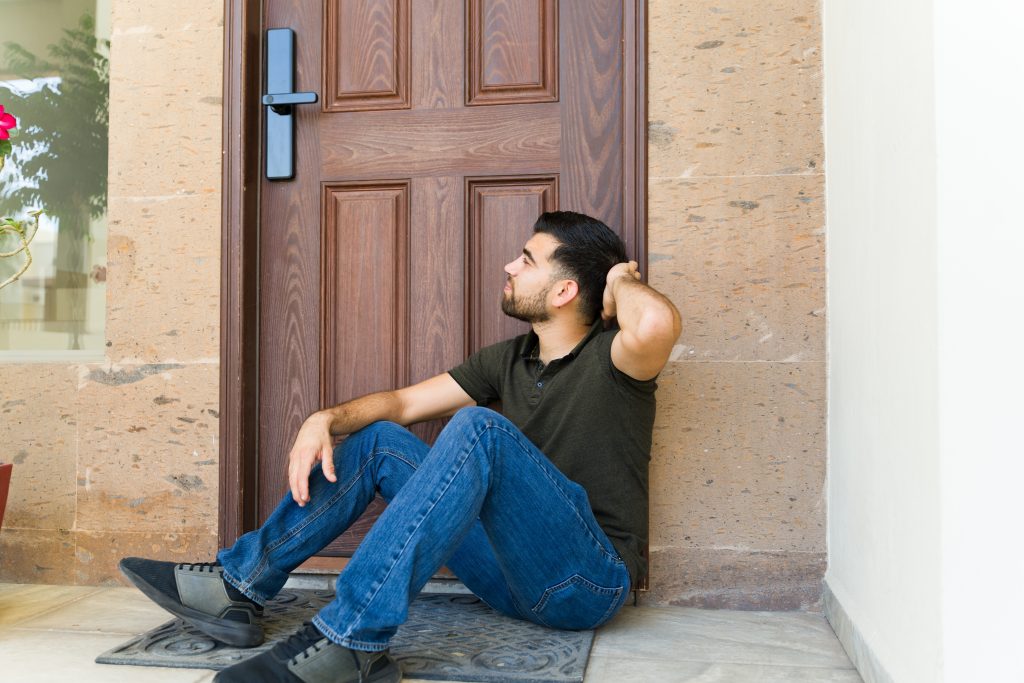
Emergency lockout help matters most when timing goes wrong. Therefore, the goal is not only to get you back inside, but to do it calmly, quickly, and without adding damage or stress.
Lockouts rarely happen at a convenient moment. For instance, it can be a late night return, a rushed school drop off, or a quick stop that turns into a long wait outside. However, the worst part is usually the uncertainty, because you are not sure what step to take first. That is to say, the situation feels bigger than it is until a simple plan brings it back under control.
Emergency lockout help starts with a quick check
Firstly, pause for ten seconds and look at what you still have. For example, do you have your phone, wallet, or a spare key in your bag. Secondly, check the easiest entry points that do not force anything, because forcing a door often creates a second problem. Consequently, a bent latch, cracked frame, or broken key can turn a simple lockout into a repair.
Meanwhile, think about whether the lock is actually locked or just latched. In other words, some doors close behind you but do not fully lock, and that changes what a professional can do safely. Most importantly, avoid using makeshift tools, because they can scratch hardware, damage weather stripping, or misalign the strike plate.
If you are in Ottawa and need a reliable next step, Best K Locksmith can guide the situation based on the door type and the urgency. Moreover, a clear plan helps you avoid risky shortcuts that cost more later.
Home lockouts feel personal and stressful
A home lockout can feel like everything is on pause. Therefore, it helps to focus on safety first, especially if it is cold, late, or you are responsible for kids or pets. Above all, choose a well lit spot, keep your phone charged, and stay aware of your surroundings.
However, not every home lockout is the same. For instance, a deadbolt behaves differently than a knob lock, and newer smart locks bring their own issues like low batteries or jammed bolts. To clarify, the right approach depends on the hardware and the door condition, not just the urgency.
If you need help with a house, condo, or rental unit, residential locksmith Ottawa support is built around careful entry, damage prevention, and practical next steps. Consequently, once you are back inside, you can decide whether rekeying, repairs, or a spare key plan makes sense.
What to do right after you get back in
After that first relief, take two minutes to reduce the chance of a repeat. For example, test the latch, turn the key slowly, and notice any grinding or sticking. Similarly, if the door only locks when you lift or push it, the alignment may be off. Most importantly, set a simple spare key routine that fits your life, not a hiding spot that anyone can guess.
Business lockouts disrupt more than a door
A commercial lockout often affects staff, customers, deliveries, and security. Therefore, time matters, but so does access control. For instance, a storefront might have a primary entry, a rear door, and restricted areas that should stay protected even during a quick entry.
However, the pressure to reopen fast can lead to rushed decisions. That is to say, a forced entry can damage a panic bar, frame, or glass, and then you are dealing with downtime plus repairs. Consequently, a professional approach is about restoring access while keeping the building secure.
If your workplace is involved, commercial locksmith Ottawa service can focus on safe entry, lock function checks, and practical upgrades like better key control or improved door hardware. Moreover, you can set clearer rules for who holds keys and how spares are stored.
A simple commercial prevention habit
In addition, assign one person per shift to confirm keys before lockup. Likewise, keep a controlled spare with a manager, not a shared hiding place. Most importantly, if a key goes missing, treat it as a security change, not a minor inconvenience.
Vehicle lockouts are common and surprisingly fixable
Car lockouts feel urgent because you might be stranded, late, or dealing with bad weather. Therefore, the safest move is to avoid coat hangers and improvised tools. For example, modern door seals, side airbags, and electronic locks can be affected by careless prying.
However, vehicle lockouts are not always about the keys being inside. That is to say, some issues come from a failing fob, a worn key blade, or an ignition that does not recognize the transponder. Consequently, solving the lockout is often only step one, and the long term fix may be a new key, programming, or an inspection of the lock system.
For drivers who need fast and careful support, automotive locksmith Ottawa service can restore access while protecting the vehicle’s trim and hardware. Moreover, once you are back on the road, it becomes easier to plan a backup key before the next surprise.
The best “worst time” plan is small and realistic
Emergency lockout help works best when you also build a simple routine. Therefore, pick one habit you can actually keep, such as placing keys in the same pocket, using a small hook by the door, or setting a reminder before bedtime. In other words, the fix is not a complicated system, it is consistency.
Most importantly, if the lock has been sticking, delaying, or behaving differently, treat that as a warning sign. Consequently, a quick adjustment or rekey can prevent the next lockout from landing at the worst possible moment.
FAQs
What should I do first during a lockout?
Firstly, check that you have your phone and identification, and move to a safe, well lit place. Therefore, you avoid panic decisions like forcing the door. After that, confirm whether the door is latched or fully locked.
Can I damage my lock by trying to open it myself?
Yes, and it happens often. For example, prying or using random tools can bend parts or scratch the cylinder. Consequently, the lock may fail later even if you get in.
When should I consider rekeying after a lockout?
If a key is lost or you are unsure who has copies, rekeying is a smart step. That is to say, it changes which key works without replacing the whole lock. Moreover, it can restore control quickly.
Why do lockouts keep happening to the same door?
Usually the door is misaligned or the lock is worn. For instance, a tight frame can cause sticking that feels random. Therefore, a small adjustment can stop repeat problems.
Are car lockouts different with newer vehicles?
Yes, newer vehicles often use electronic systems and tighter seals. However, that also means careful entry methods matter more. Consequently, a professional approach helps avoid trim damage and system issues.