
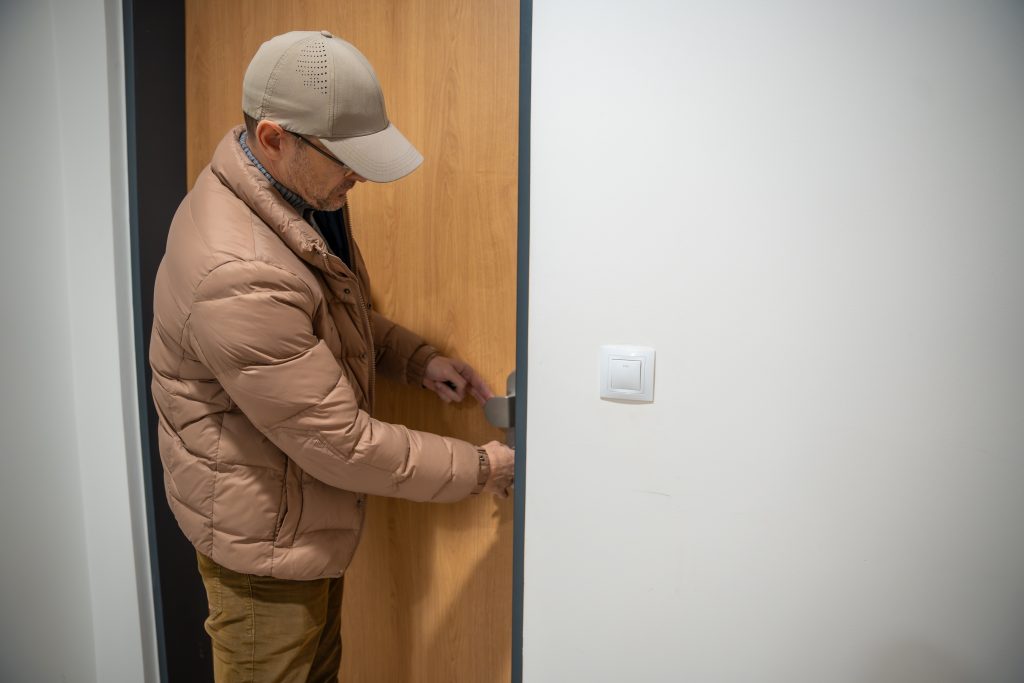
Most break ins start with a small slip, and closing routine security is the easiest habit to tighten. Therefore, a simple checklist at the end of the day can stop common entry attempts before they start. At Best K Locksmith, we see patterns in what intruders look for, and the good news is that the fixes are practical. In other words, you do not need fancy gear to get stronger results, you need consistency.
Why break ins love “almost closed” spaces
A door that latches but does not fully lock is a favorite, and a window left cracked “just a bit” is another easy win for a thief. Consequently, the first goal of a routine is to remove uncertainty and make every close an actual close. Above all, you want your property to look annoying to approach and slow to defeat. That is to say, if someone tries a handle and feels resistance right away, they often move on.
Closing routine security starts at the main door
Start where most entries happen, the primary door your household or staff uses most. Firstly, pull the door toward you and confirm the latch engages, then lock it with a full turn or deadbolt throw. Moreover, check the strike area for movement, because a loose frame can make a lock feel “done” when it is not. After that, test the handle with light pressure to confirm it will not open. If you want a deeper home focused checklist, use our residential locksmith Ottawa page as a reference point for common lock upgrades and inspections.
The two second handle test
Do the same action every time, so it becomes automatic. Similarly, make it a rule that the last person out does the handle test and says “locked” out loud. As a result, you reduce the classic problem where everyone assumes someone else did it. If you manage a team, assign the step to a role, not a person, so shifts do not break the habit.
The perimeter sweep that catches the real mistakes
The next step is a short walk that covers windows, secondary doors, and garage access points. Meanwhile, keep it the same path each night, because a fixed route prevents you from skipping areas when you are tired. For example, start at the back door, then check patio sliders, then basement windows, then return to the front. In addition, confirm that ground level windows are fully latched, since “vent mode” is often still reachable.
Sliding doors and basement windows
Sliding doors need extra attention because the lock can be weak even when it clicks. Therefore, add a simple secondary barrier like a properly fitted bar or an approved pin, and keep it in place every night. Basement windows should be checked for intact latches and tight frames, because slight warping can create an opening. Certainly, if a window does not sit square, it is worth correcting before it becomes an easy entry point.
Lights, visibility, and the signal you send
Break ins often happen where someone can work unseen. Consequently, your routine should include a quick outside glance for dark corners, blocked sight lines, and burned out bulbs. Above all, a motion light that works consistently changes behavior because it removes cover. That is to say, you are not trying to “catch” anyone, you are trying to make the attempt feel risky and exposed. If you run a storefront or office, our commercial locksmith Ottawa resources align well with closing procedures that support stronger access control and door hardware.
Keys, fobs, and car habits that spill into property security
A surprising number of property incidents start with misplaced keys. Therefore, build one parking spot for keys and fobs, and never leave them near the door where a quick grab is possible. Moreover, if your vehicle is part of the daily routine, do a fast check that it is locked and that valuables are out of sight. For instance, a visible garage remote can become a pathway into the home. If your team deals with lost keys or vehicle access issues, the automotive locksmith Ottawa page covers common situations that can disrupt good security habits.
The “keys last” rule
Keep keys in your hand until every door is confirmed locked. Subsequently, place them in the same secure location inside, away from windows and mail slots. As a result, you reduce the chance that someone can fish them out or spot them easily. This small change supports closing routine security because it removes the most common human shortcut, setting keys down too early.
When the routine reveals a hardware problem
A routine is also a diagnostic tool, because it shows you what feels wrong. However, if a deadbolt sticks, a latch feels soft, or a door rubs the frame, do not ignore it. In other words, friction today can become failure later, especially in Ottawa weather swings. Most importantly, a lock that is hard to use encourages people to skip steps, and that defeats the whole process. If you need help planning the right fix, start at the main Ottawa locksmith page to match the issue with the right service.
A simple closing checklist you can copy
Firstly, lock the main door and do the handle test. Secondly, sweep secondary doors and windows on a fixed route. Moreover, set lighting and confirm visibility around entry points. After that, secure keys and fobs away from doors and windows. Finally, note any sticking or looseness so it gets addressed before it becomes normal.
FAQs
How long should a closing routine take?
A good routine takes three to five minutes. Therefore, keeping it short makes it repeatable, and repeatable is what creates real protection over time.
What is the most common step people skip?
Many people forget the handle test. Consequently, a door can look closed while still being unlocked or not fully latched.
Do I need cameras for this to work?
Cameras can help, but they are not required. Above all, consistent locks, window checks, and lighting remove the easy opportunities that cause most break ins.
How often should I inspect locks and doors?
Check them briefly every night through the routine. In addition, do a deeper inspection every season, especially when weather changes cause doors to shift.
When should I call a locksmith instead of forcing a sticky lock?
If a lock resists, sticks, or needs extra force, stop. That is to say, forcing it can damage parts and create a bigger failure later, so it is better to repair the cause early.