Choosing the right door lock is an important decision for protecting your property. However, with modern technology advancing quickly, many homeowners now face a common question: should they choose smart locks or traditional locks. Best K Locksmith helps property owners understand their options and make informed security choices. Therefore, knowing the differences can help you select the system that fits your needs.
Both smart and traditional locks offer benefits and limitations. In addition, each option suits different lifestyles, budgets, and security expectations.
Understanding Traditional Door Locks
Traditional locks have been used for decades and remain popular today. They operate using physical keys and mechanical components. Therefore, many people trust them for their simplicity and reliability.
These locks are commonly found on residential and commercial doors. Moreover, they are available in many styles and security levels.
How Traditional Locks Work
Traditional locks use pins, springs, and cylinders that align when the correct key is inserted. Once aligned, the lock turns and opens the door. In other words, access depends entirely on the physical key.
Because there is no digital system involved, these locks do not require electricity or internet connections. As a result, they continue working during power outages.
Advantages of Traditional Locks
Traditional locks are easy to use and understand. For example, most people are familiar with how keys work. In addition, installation is usually simple and affordable.
They are also reliable in harsh weather conditions. Moreover, repairs are often straightforward and inexpensive.
Limitations of Traditional Locks
Despite their reliability, traditional locks have weaknesses. Keys can be lost, stolen, or copied easily. Consequently, unauthorized access becomes a risk.
In addition, managing multiple keys can be inconvenient. That is to say, security depends heavily on careful key control.
Understanding Smart Lock Technology
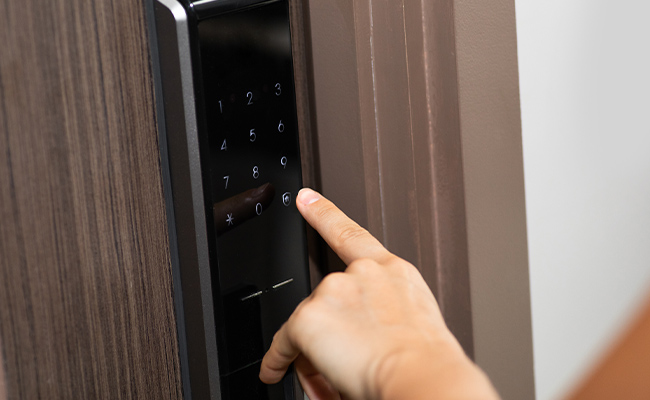
Smart locks use digital systems to control access. Instead of physical keys, they often rely on codes, mobile apps, fingerprints, or key cards. Therefore, they provide modern convenience and advanced features.
These locks connect to smartphones or home networks. As a result, users can manage access remotely.
How Smart Locks Function
Smart locks use electronic mechanisms controlled by software. When authorized access is verified, the lock opens automatically. For instance, entering a correct code or using a phone app grants entry.
Some models also integrate with security cameras and alarm systems. In addition, many provide activity logs showing who entered and when.
Advantages of Smart Locks
One major benefit is convenience. You no longer need to carry physical keys. Moreover, access can be shared digitally with family members or guests.
Smart locks also allow remote control. For example, you can lock or unlock doors from anywhere. Consequently, this adds flexibility and peace of mind.
Another advantage is customizable access. You can set temporary codes for visitors and remove them when no longer needed.
Limitations of Smart Locks
Smart locks depend on power and technology. Therefore, battery failure or system glitches can cause problems.
In addition, they may be vulnerable to hacking if not properly secured. Moreover, installation and purchase costs are usually higher than traditional locks.
Some users also find digital systems complicated. That is to say, not everyone is comfortable with smartphone based controls.
Security Comparison: Smart vs Traditional
Security is the most important factor when choosing locks. Both options provide protection, but in different ways. Therefore, understanding their strengths helps you decide wisely.
Traditional Lock Security
High quality traditional locks offer strong physical resistance. For instance, deadbolts with reinforced cylinders are difficult to force open.
However, traditional locks are vulnerable to picking, bumping, and key duplication. Consequently, security depends on lock quality and key management.
Smart Lock Security
Smart locks use encryption and digital authentication. As a result, they reduce risks associated with physical keys.
Many models include automatic locking and tamper alerts. In addition, activity tracking improves monitoring.
However, poor setup or outdated software can weaken security. Therefore, professional installation and updates are essential.
Convenience and Daily Use
Daily usability plays a major role in lock selection. Therefore, consider how each system fits your routine.
Using Traditional Locks
Traditional locks are simple and familiar. You insert the key, turn it, and enter. Moreover, no apps or settings are required.
However, forgetting keys leads to lockouts. In addition, carrying multiple keys can be inconvenient.
Using Smart Locks
Smart locks offer hands free access and remote control. For example, you can unlock doors while approaching.
They are especially useful for families, rentals, and frequent guests. Moreover, managing access digitally saves time.
On the other hand, learning new systems may take effort. Consequently, some users prefer simpler solutions.
Installation and Maintenance Considerations
Installation and maintenance affect long term performance. Therefore, understanding these aspects is important.
Traditional Lock Installation
Traditional locks are easier to install. Many models fit standard door holes. In addition, repairs are widely available.
Maintenance involves occasional lubrication and key replacement. As a result, costs remain low.
Smart Lock Installation
Smart locks may require wiring, configuration, and app setup. Therefore, professional installation is often recommended.
Maintenance includes battery replacement and software updates. Moreover, technical support may be needed occasionally.
Best K Locksmith provides professional installation for both systems, ensuring optimal performance and security.
Cost Comparison and Long Term Value
Budget is another major factor. Therefore, comparing costs helps you plan effectively.
Cost of Traditional Locks
Traditional locks are usually affordable. For example, basic deadbolts cost less than digital systems.
Replacement parts are also inexpensive. Consequently, long term expenses remain manageable.
Cost of Smart Locks
Smart locks require higher initial investment. In addition, some models include subscription services.
However, added features and convenience may justify the cost. As a result, value depends on usage needs.
Choosing the Right Lock for Your Needs
There is no universal solution. Therefore, the best choice depends on lifestyle, security concerns, and budget.
Traditional locks suit users who prefer simplicity and reliability. Likewise, smart locks fit those who value convenience and technology.
Best K Locksmith helps clients evaluate their options and select appropriate systems based on individual requirements.
Factors to Consider
Think about how many people need access. In addition, consider your comfort with technology.
Also evaluate local security risks and door structure. Consequently, these factors guide better decisions.
Combining Both Systems
Some properties use hybrid systems with both smart and traditional features. For example, smart deadbolts with backup keys.
This approach balances reliability and convenience. In short, it offers flexible protection.
In Conclusion: Finding the Best Lock for Your Property
Both smart locks and traditional locks offer valuable security solutions. Therefore, choosing between them depends on your priorities.
Traditional locks provide simplicity, reliability, and affordability. Meanwhile, smart locks deliver advanced control and modern convenience.
With professional guidance from Best K Locksmith, you can select and install the right system with confidence. In short, understanding your needs and exploring both options helps ensure long term safety and peace of mind.